
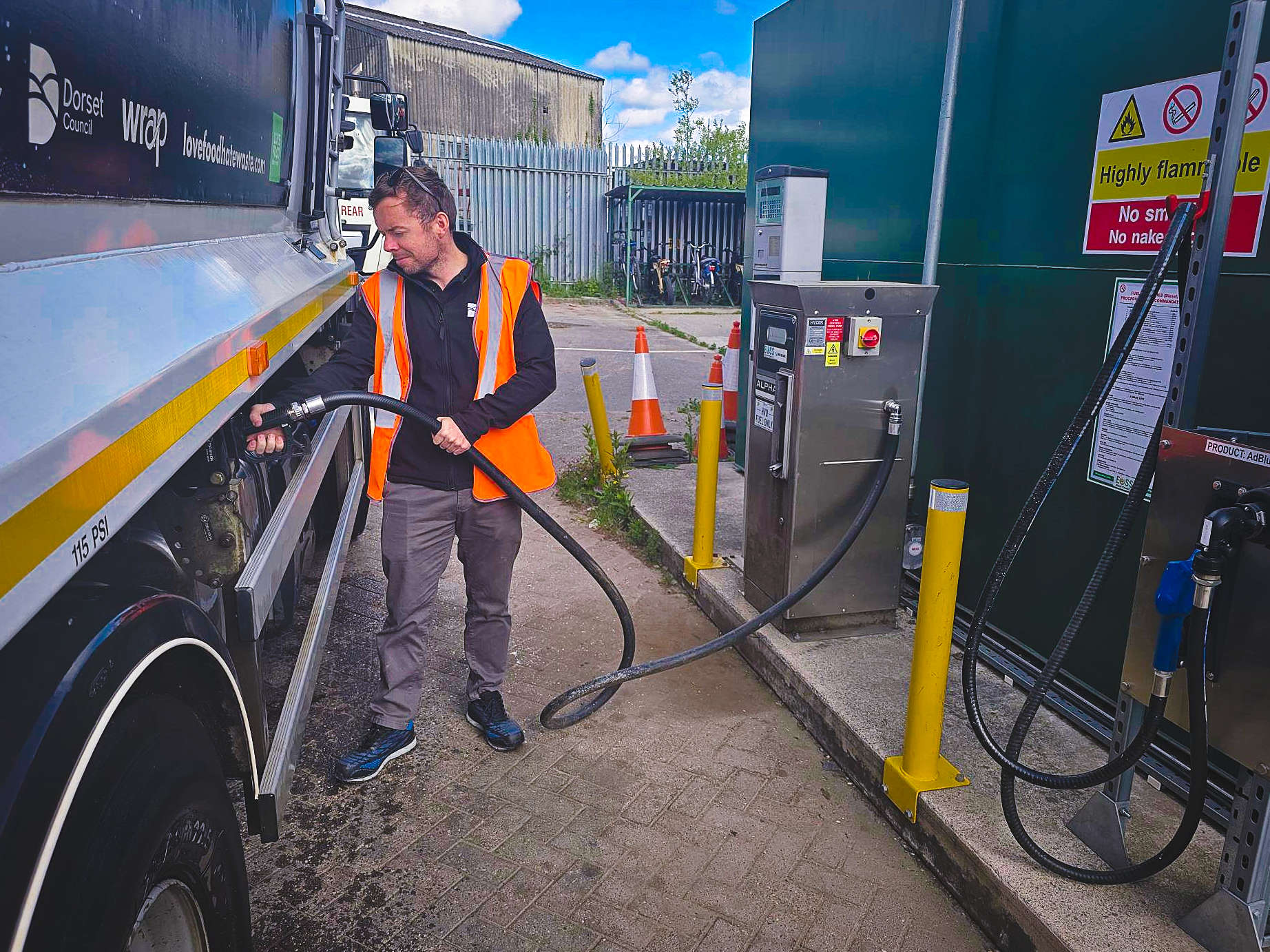
Dorset Council has not confirmed how much rising fuel prices could cost or how much fuel it uses each year. The authority runs a fleet of around four hundred and forty vehicles, with only a small number being electric. Officials say contingency plans are in place to keep services running, despite higher costs. The council also says it is reducing emissions, with changes at more than two hundred sites. A Freedom of Information request has now been submitted to try to obtain detailed figures
Questions remain over Dorset Council’s fuel use and costs as prices continue to rise.
The authority has not provided estimates of the financial impact of higher fuel prices or confirmed how much fossil fuel it uses annually, despite operating a fleet of around 440 vehicles including refuse lorries, vans, minibuses and staff cars.
Only a small proportion of the fleet is electric, with fewer vehicles per employee than at Dorchester Town Council, while many of the council’s approximately 800 pieces of equipment are also understood to rely on fossil fuels.
When asked about the impact of rising costs, including heating oil used in rural buildings, a spokesperson did not give figures and instead said contingency and continuity plans are in place to ensure essential services continue to run.
The council says it has taken steps to reduce emissions since declaring a climate emergency in 2019, with energy saving and renewable measures introduced at more than 200 sites alongside efforts to cut travel related emissions.
However, no single published figure is available for total fuel use or spending, and a Freedom of Information request has now been submitted to seek comparable data.